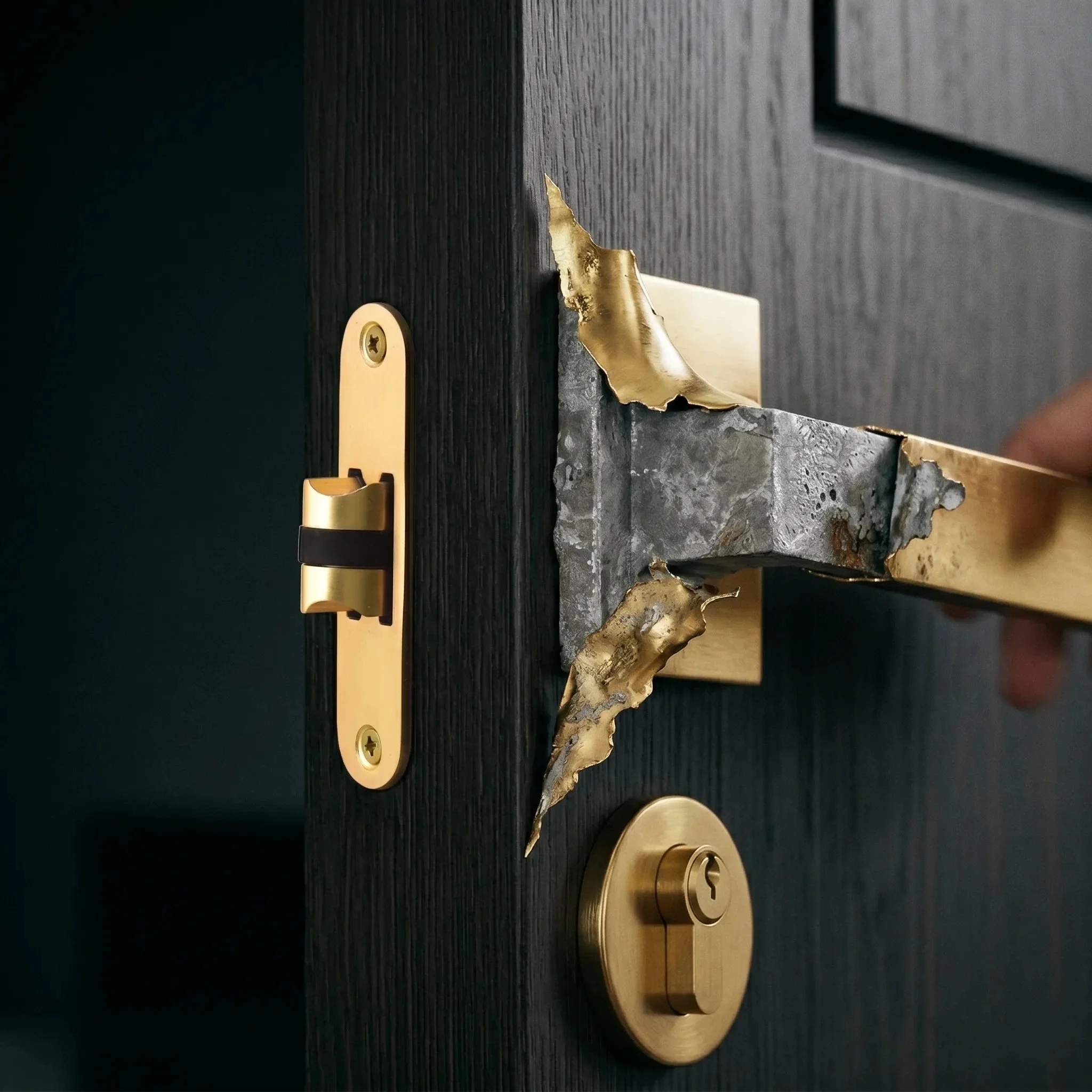
The Hidden Problem Behind Many New Homes
Building a home is one of the biggest financial investments most families will ever make. People spend months comparing house plans, discussing interior designs, and negotiating labour costs. Yet one of the most important parts of the entire project often receives the least attention: the quality of the building materials arriving at the site.
Unfortunately, some suppliers and contractors increase their profits by replacing premium branded materials with lower-quality alternatives. Because these products often look almost the same on the outside, the difference usually goes unnoticed until months or even years after the construction is complete.
The consequences are far more serious than simply wasting money. Low-quality materials can reduce the lifespan of your home, increase maintenance costs, and create structural problems that become expensive to repair.
This becomes even more important in a place like Shimla. Homes here face freezing winters, heavy monsoon moisture, steep terrain, and difficult transportation routes. Materials that may survive in milder climates often fail much sooner under these mountain conditions.
From cracked vitrified tiles and swollen plywood to poor-quality plumbing fittings and artificially polished granite, choosing the wrong materials can quietly turn a dream home into an endless repair project.
The good news is that most of these problems can be avoided with a few simple inspections before accepting deliveries. This guide explains the most common tricks used in the construction industry and shows you practical ways to verify the quality of every major material used in your home.
Quick Material Inspection Checklist
Before discussing the different ways homeowners get cheated, here is a simple inspection guide you can use whenever materials arrive at your construction site. These quick checks take only a few minutes and can help you identify poor-quality products before they become part of your home.
| Material | Common Trick | What You Should Receive | Quick Site Check |
|---|---|---|---|
| Vitrified & Ceramic Tiles | Commercial-grade tiles are sold as premium products. They often have slightly uneven thickness, poor edge finishing, or tiny surface defects. | Uniform size, perfectly straight rectified edges, consistent colour, and clear manufacturer markings on the back of every tile. | Place two tiles face-to-face. If you notice gaps, rocking, or light passing between them, the tiles may not be premium quality. |
| Granite & Marble | Ordinary stone is treated with dyes or polishing compounds to imitate rare premium colours and expensive finishes. | Natural crystal patterns with uniform colour throughout the slab and no artificial coating that rubs off. | Rub a white cloth with a little acetone or nail polish remover over the surface. Colour transfer is a warning sign. |
| Plywood & Boards | Low-density cores, unseasoned timber, hollow gaps, and poor-quality glue hidden beneath attractive laminate sheets. | Dense, evenly layered boards carrying recognised IS standards such as IS:710 Marine Grade or IS:303 BWR Grade where appropriate. | Inspect the exposed edge. Count the layers, check for hollow spaces, and compare the weight with another board of the same size. |
| Kitchen & Bathroom Fittings | Cheap zinc-alloy fittings are polished to resemble solid brass products, making them almost identical in appearance. | Heavy brass construction or quality stainless steel components with laser-engraved manufacturer branding. | Lift the fitting in your hand. Genuine brass usually feels noticeably heavier than cheaper alternatives. |
Although none of these checks require specialised equipment, they can save homeowners from expensive repairs later. A few extra minutes spent examining your materials today can prevent years of maintenance problems after construction is complete.
How Some Suppliers Quietly Increase Their Profits
Most homeowners assume that if the packaging looks genuine and the materials appear brand new, everything must be authentic. Unfortunately, that isn't always true. Some dishonest suppliers rarely replace an entire product with something completely different. Instead, they make small substitutions that are difficult to notice during construction but become very expensive after you move into your home.
These substitutions usually happen in premium product categories where price differences are high but visual differences are small. A customer pays for a top-quality product, while a lower-grade alternative is delivered instead. The extra profit stays with the supplier or contractor, while the homeowner unknowingly bears the future repair costs.
The Most Common Pattern
Premium materials often cost only slightly more to manufacture, but sell for significantly higher prices. By replacing them with cheaper alternatives that look almost identical, dishonest sellers can increase their profit without immediately attracting attention.
1. The Grade Substitution Trick in Tiles and Natural Stone
Tiles, granite, and marble are among the easiest materials to downgrade without a homeowner noticing. During manufacturing, factories usually produce different quality grades from the same production line. Premium grades pass strict quality inspections, while commercial grades may have minor warping, tiny surface defects, or slight colour variations.
These commercial-grade products are perfectly legal when sold honestly at their correct price. The problem begins when someone repackages or markets them as premium materials while charging full price.
At first glance, both products may appear almost identical. However, small manufacturing defects become much more noticeable after installation, especially when tiles are laid over large areas where even slight differences affect alignment and finishing.
In Shimla, this problem becomes even more serious. Winter temperatures, constant moisture, and repeated freeze-thaw cycles place additional stress on flooring materials. Tiny imperfections that seem harmless during installation can gradually develop into loose, cracked, or damaged tiles after several seasons.
2. Poor-Quality Boards Hidden Behind Attractive Laminates
Kitchen cabinets, wardrobes, TV units, and false ceilings depend heavily on the quality of the boards hidden beneath the decorative laminate. Once edge banding and laminate sheets are installed, it becomes almost impossible to inspect the core material without dismantling the furniture.
Some low-quality boards contain unseasoned timber, recycled wood pieces, large hollow gaps, or weak adhesive layers. Although the finished surface looks attractive on the day of installation, the internal structure lacks the strength required for long-term performance.
Moisture is usually the biggest enemy. During Shimla's monsoon season, poor-quality boards absorb water more quickly, causing swelling, delamination, loose hinges, and permanent damage to expensive modular furniture.
Whenever possible, inspect the exposed edge before installation. A high-quality board should have evenly packed layers, consistent density, and no visible hollow spaces. Spending a few extra minutes checking the core can prevent years of repair work later.
3. Cheap Plumbing & Bathroom Fittings Can Cost Much More Later
Bathroom and kitchen fittings are another category where appearance can be deceptive. Two taps may look almost identical from the outside, yet the quality of the material used inside can be completely different.
Low-cost fittings are often manufactured using lightweight zinc alloys or poor-quality cast metals before being coated with a shiny chrome finish. At first glance, they resemble premium products, making it difficult for most homeowners to tell the difference.
The real problems begin only after months of regular use. Inferior internal components wear out faster, seals fail earlier, and corrosion gradually develops inside the fitting. What starts as a tiny drip can eventually lead to hidden wall dampness, damaged plaster, mould growth, and expensive plumbing repairs.
Quality fittings made from genuine brass or high-grade stainless steel are designed to withstand years of water pressure, temperature changes, and daily use. Although they cost more initially, they usually prove far more economical over the lifetime of the home.
A Simple Tip
When comparing similar taps or valves, don't judge them only by their appearance. Lift each one in your hand. Genuine brass fittings usually feel noticeably heavier because of the higher density of the metal.
Why Material Quality Matters Even More in Shimla
Every building faces environmental stress, but homes in Shimla experience conditions that place much greater demands on construction materials than many other parts of the country.
Cold winters, repeated freeze-thaw cycles, heavy monsoon moisture, and steep hillside construction all accelerate the deterioration of poor-quality materials. Products that perform reasonably well in milder climates often show signs of failure much sooner when exposed to mountain conditions.
Tiles with hidden defects may crack after repeated temperature changes. Poor-quality plywood absorbs moisture more quickly, causing swelling and warping. Inferior plumbing fittings become more vulnerable to corrosion, especially when subjected to continuous pressure and changing water temperatures.
The Hidden Cost of Transportation and Carriage
One challenge unique to hill construction is transportation. Delivering materials to the roadside is only part of the journey. Many construction sites require workers to manually carry heavy tiles, boards, sanitaryware, and other materials over steep roads, narrow paths, or long stairways.
This additional handling increases the overall construction cost even before installation begins. If poor-quality materials fail after the first winter or become damaged during transport because of weak manufacturing, the replacement process becomes far more expensive than simply buying better materials in the first place.
Homeowners often focus on saving a few thousand rupees during the purchase, but overlook the fact that replacing those materials later means paying for transportation, carriage, labour, and installation all over again.
For this reason, choosing reliable, certified building materials isn't simply about buying premium brands. It's about reducing future repair costs, avoiding repeated labour charges, and ensuring your home performs well in the demanding conditions of the Himalayas for many years to come.
A Simple Blueprint to Verify Every Material Delivery
Protecting your home doesn't require expensive equipment or years of construction experience. A few careful inspections before unloading the materials can prevent costly mistakes later. Whether you are building your first home or supervising a renovation, following a consistent inspection routine helps ensure you receive exactly what you paid for.
1. Match Every Delivery with the Invoice
Never allow materials to be unloaded without checking the delivery challan or invoice first. Compare the quantities, dimensions, model numbers, colours, and product descriptions with your original quotation before accepting the delivery.
Mistakes occasionally happen during transportation, but deliberate substitutions can also occur. Spending a few minutes verifying the documents helps eliminate confusion before installation begins.
2. Examine the Packaging Carefully
Branded manufacturers invest heavily in professional packaging. Genuine products usually include printed batch numbers, manufacturing dates, product specifications, certification markings, and consistent branding across every box.
Be cautious if cartons appear unusually plain, contain handwritten labels, have poor printing quality, or show signs of being resealed with different tape. While damaged packaging doesn't automatically mean the product is fake, it should encourage a more detailed inspection before accepting the delivery.
3. Ask Questions Before Installation Begins
The best time to inspect materials is before workers start installing them. Once tiles are fixed, boards are laminated, or plumbing fittings are hidden inside walls, replacing poor-quality products becomes expensive and time-consuming.
If anything appears different from what you ordered, stop the work and ask for clarification immediately. A trustworthy supplier will gladly explain the product specifications and resolve genuine concerns before the project moves forward.
4. Buy From Established and Authorised Suppliers
One of the simplest ways to reduce the risk of poor-quality materials is to purchase from well-established retailers with a reputation to protect. Authorised dealers work directly with manufacturers and generally provide proper invoices, genuine warranties, and after-sales support if a product develops a manufacturing defect.
Although prices may occasionally appear slightly higher than unknown sellers, the additional reliability often saves far more money over the lifetime of the home by reducing repairs, replacements, and warranty disputes.
A Good Supplier Offers More Than Products
Reliable suppliers don't simply sell materials. They help customers choose the correct products, explain technical differences, recommend suitable applications, and continue providing support long after the purchase has been completed.
Building a home is a long-term investment. Spending a little more time verifying materials before installation can protect you from years of unnecessary maintenance, unexpected repair costs, and avoidable structural problems.
Final Thoughts
Building a home is far more than completing a construction project. It is a long-term investment that should provide safety, comfort, and peace of mind for many years. Every tile, board, fitting, and stone you choose plays a part in determining how well that investment performs over time.
Although low-quality materials may appear attractive because of their lower price or polished appearance, the hidden costs often emerge only after construction is complete. Repairs, transportation, replacement labour, and repeated maintenance can quickly outweigh any money saved during the original purchase.
By taking a few extra minutes to inspect deliveries, checking invoices, examining packaging, and purchasing from reliable suppliers, you greatly reduce the chances of expensive surprises later.
The Best Investment Isn't Always the Cheapest One
Quality building materials are not simply products. They are an investment in the durability, safety, and value of your home. Careful decisions made before construction begins can save years of unnecessary repairs and help ensure your home continues to perform well through Shimla's changing seasons.
Frequently Asked Questions
One of the easiest ways is to compare several tiles from different boxes. Premium vitrified tiles should have uniform dimensions, straight rectified edges, and a consistent surface finish.
Place two tiles face-to-face on a flat surface. If they wobble, leave gaps, or allow light to pass between them, they may not meet premium quality standards.
Also inspect the back of the tile for clear manufacturer markings, batch numbers, and consistent printing. Reputable brands maintain strict quality control throughout production.
In many cases, the stone itself isn't changing. The problem is that some lower-quality granite is treated with artificial dyes, oils, or polishing compounds to imitate the appearance of more expensive varieties.
Over time, regular cleaning, sunlight, moisture, and daily use gradually remove these treatments, revealing a duller and less attractive surface underneath.
Natural granite should display consistent colour and crystal patterns throughout the slab rather than relying on surface treatments to create its appearance.
The exposed edge tells you far more than the decorative laminate on the surface. High-quality boards have evenly packed core layers with no large hollow spaces or loose sections.
A premium board also feels noticeably heavier than a low-density board of the same size because it contains more solid wood and better bonding materials.
If the board has a strong chemical smell, uneven layers, or visible gaps along the edge, it deserves a closer inspection before installation.
In most cases, yes. While the initial purchase price may be slightly higher, certified materials are manufactured under stricter quality standards and are usually backed by proper warranties and technical support.
The real saving comes later. Better materials reduce the chances of early repairs, replacement labour, transportation costs, and damage to finished areas of the home.
When viewed over the lifetime of a house, investing in reliable materials is often far less expensive than repeatedly repairing or replacing low-quality products.


