Monsoon Checklist for Homes: Safeguarding Shimla Residences Against High-Moisture Damage
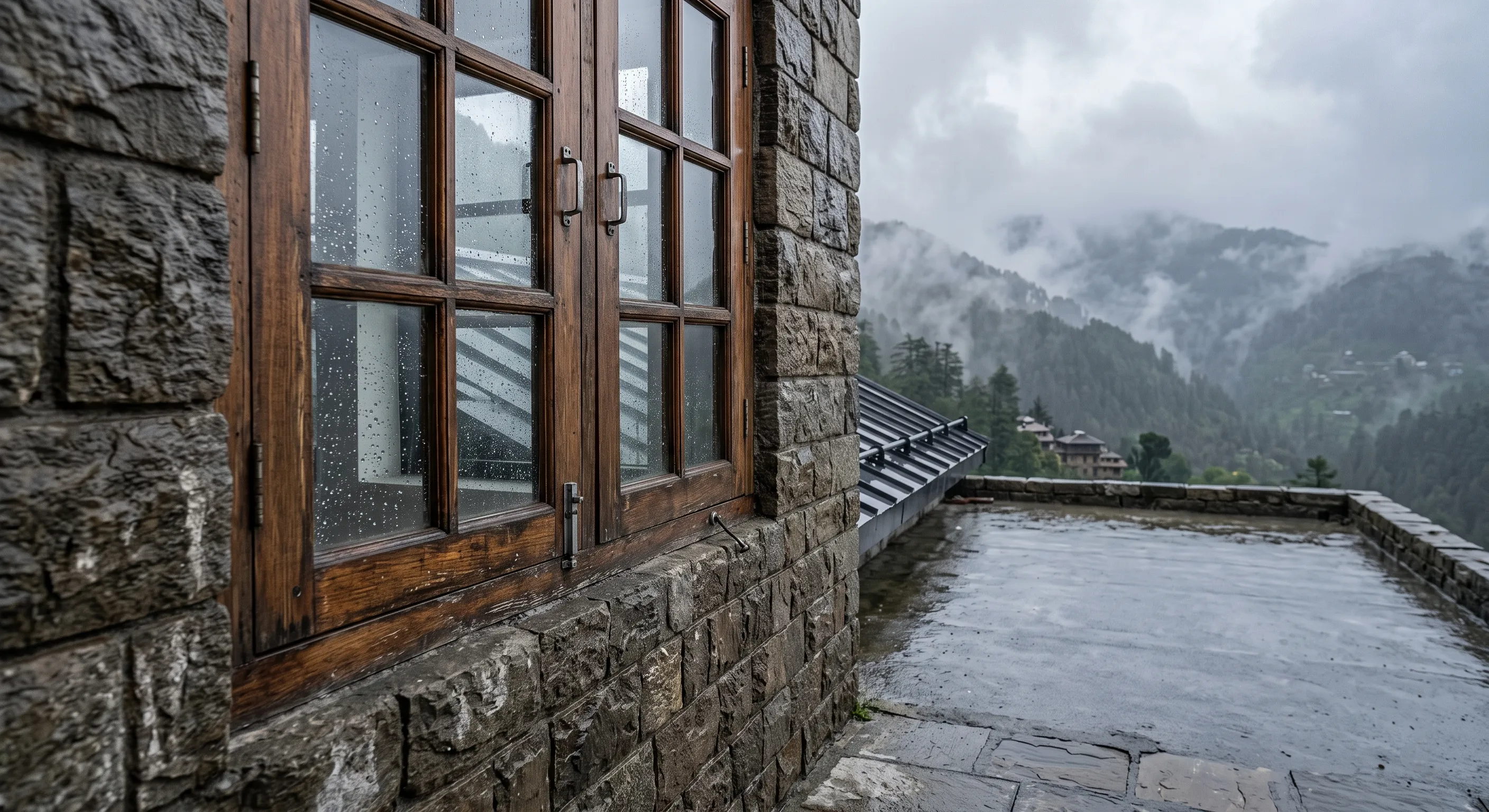
The arrival of the monsoon transforms Shimla into one of India's most beautiful hill stations. Unfortunately, the same rainfall that creates breathtaking landscapes also introduces one of the greatest threats to residential buildings: continuous moisture exposure. Heavy rainfall, dense fog and prolonged humidity work together to penetrate roofs, walls, terraces and hidden structural joints, causing damage that often remains unnoticed until expensive repairs become unavoidable.
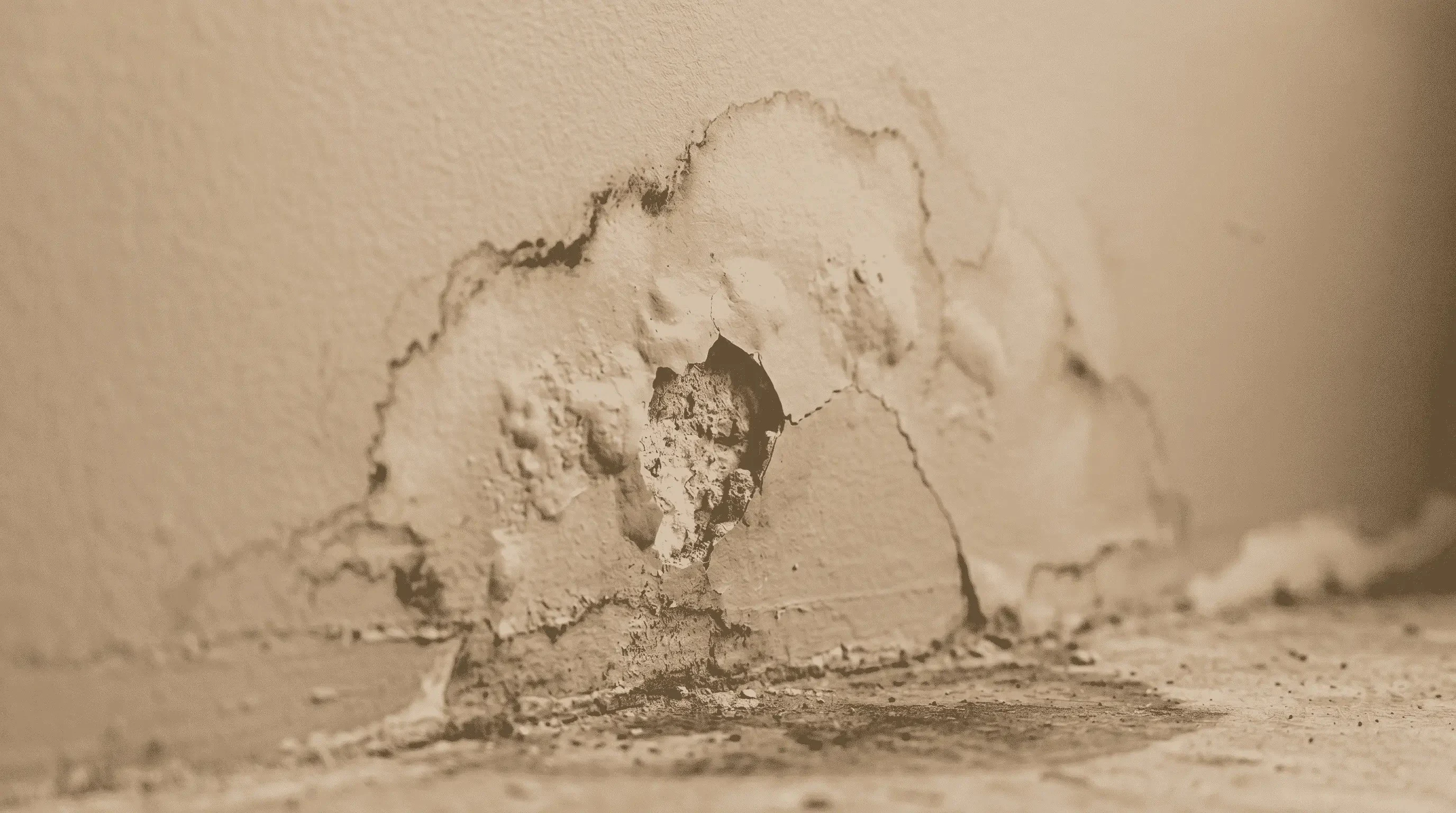
Many homeowners wait until water stains appear on the ceiling. Unfortunately, visible damage is usually the final stage of a problem that has been developing for WEEKS or even MONTHS. Water typically enters through cracks around roofs, terraces, windows and expansion joints before slowly travelling through concrete, brick and plaster.
For homes located across Shimla's steep terrain, preventive maintenance becomes even more important. Transporting replacement construction materials during peak monsoon season is slower, more expensive and often delayed by weather conditions. Performing inspections before the rains arrive saves both money and unnecessary disruption.
Table
Before the first heavy rainfall reaches Shimla, use this checklist to inspect the areas of your home that are most vulnerable to moisture damage.
| Area | Common Risk | Recommended Protection | Priority |
|---|---|---|---|
| Roof & Terraces | Standing water, cracked concrete and blocked drains | Polyurethane waterproof coating, hybrid sealants | 🚨 Critical |
| Exterior Walls | Hairline cracks and driving rain penetration | Silicone water repellent and exterior weatherproof paint | ⚠️ High |
| Windows & Balconies | Failed sealants and frame gaps | Neutral cure silicone sealant and EPDM gaskets | ⚠️ High |
| Bathrooms & Kitchens | Water entering behind tiles and grout failure | Epoxy grout and anti-efflorescence primer | ⚠️ High |
| Wooden Furniture & Cabinets | Swelling, warping and fungal damage | BWP marine boards and high-pressure laminates | 📅 Medium |
| Hardware & Plumbing | Rust, corrosion and leaking fittings | SS304 hardware, anti-rust lubricant and inspection | ⚠️ High |
1. The Roof & Terrace Shield: Stopping Water Before It Enters Your Home
Your roof is your home's first and most important defence against the monsoon. Every heavy shower, hailstorm and prolonged period of rainfall lands here before reaching any other part of the building. Even a tiny crack that appears harmless during summer can become a direct pathway for water once continuous rain begins.
Flat terraces deserve even more attention because water naturally remains on the surface longer than it does on sloped roofs. If rainwater cannot drain away quickly, it slowly begins searching for weaknesses in the concrete. Tiny surface cracks, failed waterproofing layers and damaged expansion joints allow moisture to penetrate the slab, eventually appearing as damp patches or peeling paint inside your home.
By the time a ceiling stain becomes visible, moisture has usually travelled through multiple construction layers and has weakened the plaster, paint and reinforcement beneath the surface.
Start by inspecting every rainwater outlet before the rainy season begins. Remove leaves, pine needles, mud and debris that may restrict water flow. During Shimla's monsoon, even a partially blocked outlet can cause several centimetres of standing water.
| Inspection Area | What to Check | Recommended Action |
|---|---|---|
| Drain Outlets | Leaves, mud and pine needles | Clean completely before every major rainfall |
| Concrete Surface | Hairline cracks and surface damage | Repair before applying waterproof coatings |
| Parapet Wall Joints | Small separation gaps | Seal using a premium hybrid sealant |
| Expansion Joints | Old cracked filler material | Replace with flexible waterproof sealant |
Pay special attention to locations where different materials meet each other. The connection between parapet walls and terrace slabs, pipe penetrations, skylights and rooftop, etc. These transition points are among the first places where waterproofing systems begin to fail.
If your terrace has previously been waterproofed, examine the existing membrane carefully. Look for bubbling, peeling edges, cracks or areas where the coating has separated from the concrete. These are common indicators that the waterproofing system has reached the end of its service life.
Avoid relying solely on traditional cement coatings for long-term protection. While they may temporarily cover small imperfections, they generally lack the flexibility required to withstand Shimla's repeated cycle of intense rainfall, winter freezing temperatures and structural movement.
Recommended Materials
For long-lasting protection, choose high-quality polyurethane or elastomeric waterproof coatings designed specifically for exposed roofs and terraces. Combine these systems with UV-resistant hybrid sealants around expansion joints, pipe penetrations and parapet connections to create a flexible waterproof barrier that moves with the structure instead of cracking against it.
2. Windows, Balconies & Exterior Openings: Sealing Your Home's Weakest Points
Unlike gentle rainfall, Shimla's monsoon storms are accompanied with strong winds that drive rain horizontally. Windows, balcony doors and ventilation openings thus become some of the most vulnerable entry points for moisture, thus maintainance is required.
A window does not have to leak visibly for damage to occur. Small amounts of water entering around the frame can remain trapped inside surrounding masonry, gradually causing damp patches, paint failure and fungal growth long before water becomes noticeable inside the room.
Most leaks around windows are not caused by broken glass. They occur because old sealants, bad silicon filling, crack from the masonry over time. Once this protective barrier fails, rain water begins working its way into the wall cavity with every storm.
Loose or deteriorated sealant should always be removed completely before a fresh weatherproof silicone sealant is installed. Applying new material over damaged sealant usually creates a weak bond that fails again within a short period.
| Inspection Point | What to Look For | Recommended Solution |
|---|---|---|
| Window Perimeter | Cracked or missing sealant | Replace using neutral-cure silicone |
| Sliding Tracks | Blocked drainage holes | Clean weep holes thoroughly |
| Wooden Frames | Swelling or soft timber | Repair and reseal exposed surfaces |
| Balcony Door Threshold | Standing water | Improve drainage and reseal joints |
Sliding windows include small drainage openings called weep holes. These openings allow rainwater collected inside the frame to drain safely back outside. Dirt, insects and dust often block these outlets over time, forcing water to overflow into the room instead.
Homes with traditional wooden windows require additional maintenance. Wood naturally expands when exposed to prolonged humidity, making windows difficult to close properly and reducing the effectiveness of weather seals. Sanding swollen edges may solve the immediate problem, but protecting every exposed surface with an exterior-grade finish provides lasting protection.
3. Protecting Interior Finishes: Tiles, Wooden Boards & Kitchen Infrastructure
While most homeowners focus on keeping rain outside, moisture can also damage a property from within. During Shimla's monsoon season, indoor humidity frequently remains extremely high for weeks at a time. Without proper materials and ventilation, this hidden moisture slowly affects cabinets, wardrobes, kitchen units, flooring and tiled surfaces.
Wood-based products are especially vulnerable because they naturally absorb moisture from the surrounding air. Standard commercial plywood and low-grade particle boards may begin swelling, warping and separating long before visible water leakage is noticed.
Low-quality particle boards and ordinary plywood absorb moisture rapidly. Once swollen, they permanently lose their strength and cannot be restored. Choosing moisture-resistant materials during construction is significantly more economical than replacing damaged cabinetry after one rainy season.
When planning kitchen renovations, or bathroom verify that moisture-prone areas use BWP (Boiling Water Proof) marine-grade boards together with high-pressure decorative laminates (mica). These products offer far greater resistance to prolonged humidity and occasional water exposure than standard interior boards.
[High Monsoon Humidity]
[Standard Particle Board]
Absorbs Moisture
Swelling & Delamination
Reduced Lifespan
[BWP Marine Board]
Resists Moisture
Dimensional Stability
Long-Term Protection
Bathrooms and kitchens require special attention because they combine constant humidity with regular water exposure. Even when tiles appear perfectly installed, water can slowly penetrate through cracked grout lines or poorly sealed joints, eventually reaching the wall.
Many homeowners mistakenly believe that ceramic or vitrified tiles are completely waterproof. While the tiles themselves resist water, the joints between them are often the weakest point. Once grout begins cracking or separating, moisture gradually works underneath the tiles where it becomes trapped for long periods.
Traditional cement grout absorbs moisture and gradually becomes weaker. Premium epoxy grout forms a much denser waterproof barrier that resists staining, fungal growth and repeated cleaning. Although it costs more initially, it offers significantly longer life in high-moisture environments.
| Location | Common Problem | Recommended Material |
|---|---|---|
| Bathroom Floor | Cracked grout and trapped moisture | Premium epoxy grout |
| Shower Walls | Water entering tile joints | Waterproof epoxy grout |
| Kitchen Counter Splash Area | Continuous moisture exposure | Neutral-cure silicone sealant |
| Wash Basin Connections | Small plumbing leaks | Inspect fittings and replace worn seals |
Professional Recommendation
Wherever possible, use premium tile adhesives together with polymer-modified or epoxy grouts instead of ordinary cement mixtures. These systems reduce water penetration, and significantly lower future maintenance costs.
4. Hardware, Appliances & Plumbing
Monsoon preparation is not limited to waterproofing alone. High humidity also accelerates corrosion, making metal hardware one of the first components to deteriorate. Door hinges, locks, cabinet fittings, window stays and exposed screws should all be inspected before moisture has an opportunity to cause rust.
Surface rust may appear cosmetic at first, but corrosion gradually weakens moving components until hinges begin binding, locks stop operating smoothly and fasteners lose structural strength.
Cleaning and protecting metal hardware early usually takes only a few minutes, while replacing heavily corroded fittings after the monsoon often requires considerably more time and expense.
Apply a quality anti-rust lubricant to hinges, locks, sliding window rollers and exposed metal mechanisms. If hardware already shows significant corrosion, consider replacing it with stainless steel (SS304), brass or bronze components that perform much better in humid mountain climates.
Hardware Checklist
| Component | Inspection | Recommended Action |
|---|---|---|
| Door Hinges | Rust and stiffness | Clean and lubricate |
| Door Locks | Difficult operation | Lubricate or replace |
| Window Rollers | Debris and corrosion | Clean tracks and lubricate |
| Cabinet Hardware | Loose screws | Tighten all fittings |
| Outdoor Fasteners | Surface corrosion | Replace with SS304 hardware |
Large household appliances also deserve a seasonal check. Kitchen chimneys, geysers, built-in hobs and washing machines operate more reliably when electrical connections, exhaust systems and exposed metal surfaces are checked before prolonged humidity arrives.
Inspect external exhaust ducts to ensure they slope downward toward the outside. Proper positioning prevents rainwater from travelling back.
Finally, inspect all visible plumbing connections beneath sinks, behind washing machines and around water heaters. A tiny drip that seems insignificant during dry weather can quickly become a major moisture problem once overall humidity increases during the monsoon.
5. Managing Your Monsoon Project Layout & Logistics
If you are building a new home or carrying out renovations during Shimla's monsoon, your construction schedule must adapt to the weather. As humidity increases curing times, delay work and expose building materials can damage if they are not protected correctly.
Many construction defects blamed on poor-quality materials are
actually the result of improper storage or rushed installation
before surfaces have completely dried.
PATIENCE PREVENTS EXPENSIVE REPAIRS
Construction Site Checklist
| Construction Activity | Common Monsoon Risk | Recommended Practice |
|---|---|---|
| Concrete Work | Slow curing | Allow additional curing time before finishing |
| Wall Plaster | High moisture content | Confirm wall dryness before painting |
| Cement Storage | Moisture absorption | Store on raised wooden pallets |
| Boards & Laminates | Warping from humidity | Keep indoors in a dry enclosed area |
| Tiles & Stone | Surface contamination | Protect from mud and standing water |
Whenever possible, use a digital moisture meter before beginning painting, wallpaper installation or wooden finishing work. Walls that still contain excessive moisture should be allowed to dry naturally before primers or decorative finishes are applied.
A wall may appear completely dry on the surface while still containing significant moisture inside. Moisture meters help eliminate guesswork.
Construction materials should never be placed directly on the ground. Cement bags absorb moisture rapidly, wooden boards begin expanding and decorative laminates can permanently deform if exposed to prolonged humidity.
Store all materials on raised pallets inside a dry, well-ventilated room. Cover them only with breathable protective sheets rather than completely sealing them in plastic, which can trap condensation.
Before the First Heavy Rain
✔ Clean roof drains and gutters.
✔ Inspect terrace waterproofing.
✔ Check window sealants and balcony joints.
✔ Repair cracked tile grout.
✔ Lubricate metal hardware.
✔ Inspect visible plumbing connections.
✔ Protect stored construction materials.
✔ Verify electrical safety around outdoor appliances.
Frequently Asked Questions
No. Waterproofing membranes, exterior coatings and silicone sealants should only be applied to completely dry surfaces. Applying them over damp concrete or plaster traps moisture beneath the coating, preventing proper bonding and significantly reducing its lifespan.
Rainwater leaks usually appear on exterior-facing walls, around windows, balconies or roof junctions after heavy rainfall. The damp patches often grow larger during storms and become lighter as the wall dries.
Rising damp normally starts near the bottom of ground-floor walls. It forms a continuous horizontal band and is often accompanied by peeling paint, salt deposits (efflorescence) and deteriorating plaster.
Wood naturally absorbs moisture from humid air. During Shimla's monsoon season, prolonged humidity causes wooden fibres to expand, making doors difficult to close and cabinets appear misaligned.
The best long-term solution is to seal every exposed surface of the wood, including the top and bottom edges, using a high-quality protective coating or moisture-resistant laminate before the rainy season begins.
Yes. Premium waterproof coatings, hybrid sealants, epoxy grouts and moisture-resistant boards generally last much longer than low-cost alternatives while providing better protection against continuous rainfall and seasonal temperature changes.
Although the initial investment is higher, quality materials usually reduce future maintenance expenses and help prevent repeated repairs.
Carry out one complete inspection before the first heavy rainfall arrives. Once the monsoon begins, inspect your roof, terrace drains, windows and balconies after every major storm to identify blocked drainage, damaged sealants or new cracks.
Regular inspections allow small problems to be repaired before they become expensive structural issues.